Before You Start a House Cleaning Business

Starting a house cleaning business can look simple from the outside.
Buy supplies. Find customers. Clean homes. Get paid.
That is the easy version people like to say out loud.
The real version has more moving parts.
A house cleaning business is not only about cleaning. It is a trust-based local service business. Customers are letting someone into their private space. They are trusting that the work will be done carefully, that belongings will be respected, that expectations will be clear, and that the service provider will communicate like a professional.
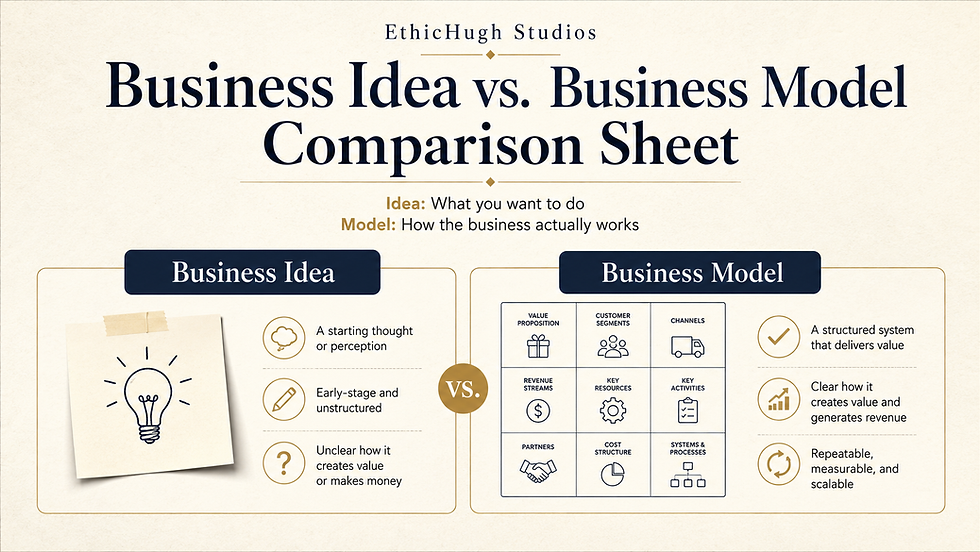
That does not mean the business model is impossible. It means beginners should understand the model before spending money, copying random online advice, or promising services they are not ready to deliver.
House Cleaning Is a Trust Business First
The first thing to understand is that house cleaning is personal.
A customer is not just buying a clean kitchen or vacuumed floor. They are buying relief, confidence, and one less thing to worry about. They want to know that the person providing the service will show up, follow instructions, protect their home, and handle problems professionally.
That is why trust matters before marketing.
A beginner can have basic supplies, a simple flyer, and a social media page, but if the offer is unclear or the communication feels careless, customers may hesitate. The service has to feel safe, organized, and professional before it feels cheap or convenient.
You Need a Clear Starter Offer
One common beginner mistake is offering too much too soon.
A new cleaner may try to offer standard cleaning, deep cleaning, move-out cleaning, laundry, dishes, organizing, windows, garages, appliances, and every custom request a customer mentions.
That sounds flexible, but it can create confusion fast.
A better starting point is a clear basic offer.
For example, a beginner may start with a simple maintenance cleaning package for smaller homes, apartments, or specific rooms. The goal is not to offer everything. The goal is to create a service that is understandable, repeatable, and realistic to deliver.
Clear offers protect both the customer and the business owner.
Boundaries Matter
House cleaning can become stressful when expectations are not defined.
Before taking customers, beginners should think through questions like:
What rooms are included?
What tasks are not included?
Are dishes included?
Is laundry included?
Are pets in the home?
Are cleaning supplies provided by the cleaner or the customer?
How long should a normal job take?
What happens if the home is much dirtier than expected?
These questions may feel small, but they prevent major problems.
A business without boundaries can accidentally become “whatever the customer asks for.” That is not a business system. That is a stress machine wearing rubber gloves.
Pricing Should Match Scope, Not Panic
Many beginners underprice because they are nervous.
They think the easiest way to get customers is to charge very little. Sometimes that creates the opposite problem. Low pricing can attract difficult jobs, unclear expectations, and customers who want more than the business can reasonably deliver.
Pricing should be connected to the scope of work.
That does not mean a beginner has to charge premium rates immediately. It means the price should make sense for the time, travel, supplies, difficulty, and quality of work involved.
A simple starting rule is this: do not price a job until you understand what the customer actually wants.
Guessing is where many beginner service businesses get into trouble.
Systems Make the Business Easier
A house cleaning business needs simple systems before it needs fancy tools.
The early systems can be basic:
A cleaning task checklist.
A quote note template.
A follow-up message.
A simple schedule.
A way to track customers, jobs, and payments.
These systems help the business owner stay organized and help the customer feel taken care of.
Beginners do not need complicated software on day one. They need clear steps they can repeat.
Marketing Works Better After the Offer Is Clear
Many people want to start with marketing.
They ask, “How do I get customers?”
That is a fair question, but it should come after a better question:
“What exactly am I offering?”
Marketing a vague service creates vague responses. Marketing a clear starter offer is much easier.
Instead of saying, “I clean houses,” a beginner can explain who the service is for, what is included, what the first step is, and what kind of home or customer is the best fit.
That kind of clarity makes the business easier to talk about, easier to refer, and easier to improve.
The Goal Is Not to Look Big
A beginner house cleaning business does not need to pretend to be a large company.
It needs to look clear, reliable, and responsible.
That means using plain language, showing up professionally, setting expectations, documenting the service, and improving after each job.
A small business can earn trust by being organized.
That is the real advantage.
Before You Start, Build the Model
Before you spend money on supplies, business cards, ads, or software, take time to understand the business model.
Know the customer.
Define the starter service.
Set boundaries.
Create a simple checklist.
Prepare basic customer messages.
Think through pricing and scope.
Decide what you will not offer yet.
That preparation makes the first real customer experience much stronger.
House cleaning can be a practical local service business, but it should not be approached casually. It is real work, in real homes, for real customers with real expectations.
Build simple systems.
Earn trust one job at a time.
That is the better foundation.
Want a structured 30-day path?
EthicHugh House Cleaning 101 walks through the beginner house cleaning business model with clear offers, simple systems, customer expectations, AI support, and a practical launch path.


Comments