Before You Start a Lawn Care Business: Understand the Model First

A lawn care business can look simple from the outside.
Someone cuts grass. The customer pays. The work is visible. The need is easy to understand.
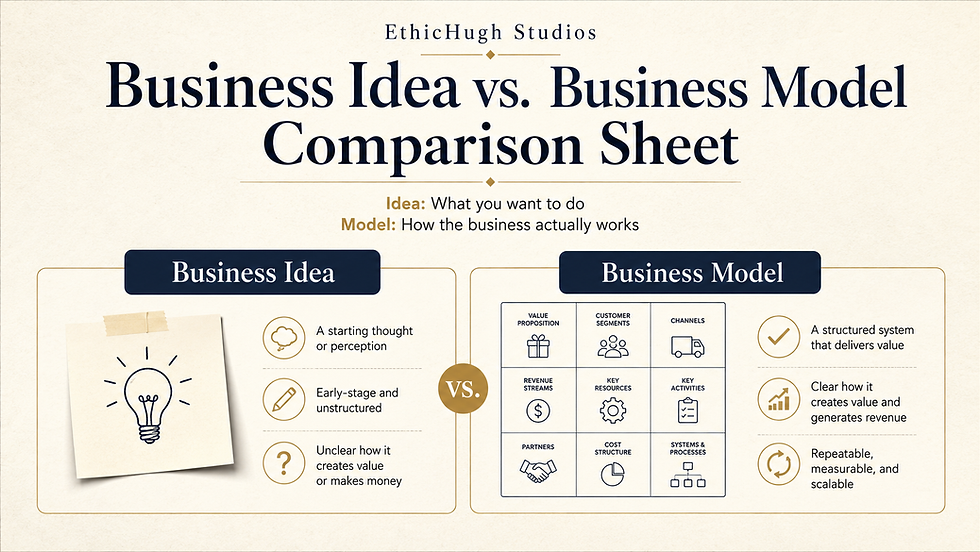
But a real lawn care business is not just “mowing lawns.”
It is a service model built around routes, repeat customers, clear expectations, equipment discipline, weather planning, pricing logic, and dependable service.
Before you buy every mower, trimmer, blower, trailer, rack, sign, shirt, or app you see online, slow down and understand the business first.
That decision can save money, reduce confusion, and help you build something that is easier to explain, price, deliver, and repeat.
This article is for beginners who are thinking about starting a lawn care business and want a practical view of the model before jumping in.
Real business models. Clear systems. No hype.
What the Customer Is Really Buying
Customers are not only buying shorter grass.
They are buying consistency.
They are buying time saved.
They are buying a property that looks maintained.
They are buying relief from a job they do not want to do, cannot do, or do not have time to do.
They are also buying trust.
A customer wants to know that you will show up when expected, do the work carefully, communicate when weather changes the schedule, and leave the property looking better than when you arrived.
That matters because beginners often think the business is only about equipment and speed.
Equipment matters.
Speed matters.
Skill matters.
But the customer experience matters too.
A customer may forgive a delay if you communicate clearly. A customer is less likely to forgive missed appointments, unclear pricing, damaged property, poor cleanup, or a service that feels disorganized.
Before starting, ask:
What result is the customer actually buying?
What properties am I prepared to service?
What will my starter service include?
What will my starter service not include?
How often will customers need the work?
How will I communicate schedule changes?
How will I keep the service repeatable?
The business starts with the offer, not the mower.
Do Not Buy Equipment Before You Understand the Offer
Equipment can become a trap for beginners.
It is easy to believe that buying more equipment makes the business more real.
A commercial mower, trailer, racks, trimmers, blowers, edgers, uniforms, signs, and software may all look professional.
But buying too much before the offer is clear can create pressure instead of progress.
A beginner should understand the first service before building the full setup.
For example, will the first offer focus on:
Basic mowing?
Mowing and trimming?
Mowing, trimming, and blowing?
Small residential yards?
Weekly maintenance?
Biweekly maintenance?
Spring cleanup?
Leaf cleanup?
Neighborhood route service?
Each offer may require different tools, timing, pricing, and customer expectations.
A small weekly residential lawn is not the same as a neglected overgrown yard. A maintenance visit is not the same as a cleanup job. A simple mow is not the same as edging, trimming, blowing, hauling debris, and handling extras.
If the offer is unclear, the equipment list will be unclear.
And when the equipment list is unclear, beginners often overspend.
Simple does not mean careless. It means controlled.
Start with the service you can explain and deliver responsibly.
Route Planning Matters
A lawn care business is partly a route business.
The work happens at different properties, and every stop costs time.
Driving time matters.
Loading and unloading matters.
Setup time matters.
Weather delays matter.
Customer spacing matters.
A beginner can make the work harder by accepting jobs that are too scattered.
One lawn across town may seem fine by itself, but too many scattered customers can turn a simple day of mowing into a slow, inefficient route.
A stronger lawn care business thinks about geography early.
Before accepting work, consider:
How far is the property from your home base?
Is it near other potential customers?
Can it fit into a weekly route?
Does the travel time make sense?
Is the yard size realistic for your equipment?
Will the customer need repeat service?
Can the job become part of a route instead of a one-time trip?
The goal is not to reject every imperfect job.
The goal is to understand that route design affects profit, time, energy, and consistency.
A business with five customers close together can be stronger than a business with five customers scattered everywhere.
Pricing Cannot Be a Guess
Pricing a lawn care business should reflect the work, the property size, the condition, the frequency, the route, and the time required.
Beginners often want one simple price for every lawn.
Simple pricing is helpful, but careless pricing creates problems.
A small, flat, well-maintained yard is not the same as a large property with slopes, obstacles, gates, overgrowth, heavy trimming, or difficult access.
If every job is priced the same, the harder jobs quietly punish the business.
A practical pricing structure should account for:
Lawn size
Grass condition
Service frequency
Route distance
Obstacles
Trimming amount
Cleanup expectations
Access issues
One-time versus recurring work
The goal is not to make pricing complicated.
The goal is to make pricing responsible.
Customers should know what is included before the appointment starts.
You should know what kind of work you are agreeing to before you quote.
Clear pricing protects both sides.
Recurring Service Is the Core Strength
Lawn care can be a strong beginner business because many customers need the service more than once.
Grass grows back.
Properties need regular maintenance.
Customers who are satisfied may stay with the same provider for weeks, months, or seasons.
That repeat potential is important.
One-time jobs can bring cash.
Recurring customers can bring stability.
A beginner should think early about how to turn good first jobs into ongoing service.
That might mean:
Weekly mowing
Biweekly mowing
Seasonal service reminders
Neighborhood route days
Simple maintenance plans
Returning-customer follow-ups
Weather-delay communication
End-of-season check-ins
The repeat model does not need to be complicated.
But it should be considered from the beginning.
If every job requires finding a brand-new customer, the business can become exhausting.
If satisfied customers return, refer neighbors, and leave reviews, the business becomes easier to grow.
Expectations Must Be Controlled
A lawn care business can run into trouble when expectations are not clear.
Customers may assume that a basic mowing service includes trimming, edging, blowing, weed treatment, cleanup, bagging, debris removal, shrub work, leaf removal, or other extras.
Those services may be valuable, but they should not be silently included unless you choose to include them.
Before the appointment, explain:
What the service includes
What the service does not include
How frequency affects the result
What happens if the grass is overgrown
Whether cleanup or bagging is included
How weather affects scheduling
Whether gates, pets, obstacles, or access issues matter
What may require extra time or extra cost
This is not about being difficult.
It is about being clear.
Clear expectations prevent disappointment.
Responsible communication builds trust.
First Jobs Should Teach the System
The first jobs should not only be treated as income.
They should be treated as learning.
A beginner should use early jobs to test the full system:
How long does each lawn take?
How long does loading and unloading take?
How much trimming is typical?
Which properties are harder than expected?
What questions do customers ask?
What causes delays?
What should be explained before booking?
What should be included in the service checklist?
What should be excluded from the starter offer?
Which jobs fit the route best?
Early jobs reveal the real business.
They show whether your offer is too broad, whether your route is too scattered, whether your pricing is too low, whether your workflow is too slow, and whether customers understand what they are buying.
Do not ignore those lessons.
A business improves when the owner pays attention.
The Business Is Not Just the Mowing
The visible work is cutting grass.
The business is everything around the mowing.
That includes:
Answering inquiries
Giving estimates
Scheduling routes
Tracking customers
Managing weather delays
Maintaining equipment
Tracking fuel and supplies
Following up with customers
Requesting reviews
Keeping records
Improving the offer
Building repeat service
A lawn care business becomes stronger when the owner treats these tasks as part of the job, not distractions from the job.
The service is visible.
The system keeps it moving.
Equipment Discipline Protects the Beginner
Beginners do not need to own every tool on day one.
They need enough to deliver the starter offer safely, responsibly, and consistently.
Equipment should match the service.
If the first offer is basic residential mowing, the required setup may be different from a full-service lawn maintenance company.
Before buying more, ask:
Does this tool support my current offer?
Will I use it often?
Does it save meaningful time?
Can I maintain it?
Does it create debt or pressure?
Does the customer actually need the service this tool supports?
Am I buying this because the business needs it or because it makes the business feel more official?
Looking like a business is not the same as having a business model.
Buy carefully.
Use what you have responsibly.
Upgrade when the work proves the need.
Final Thought
A lawn care business can be a practical beginner service business, but it should not be approached blindly.
Before you buy equipment, understand the customer.
Before you set prices, understand the work.
Before you promise results, understand the limits.
Before you chase every service type, define the starter offer.
Before you try to grow, understand the route.
The goal is not to look like a big lawn care company on day one.
The goal is to build a small, clear, responsible service that can be explained, delivered, improved, and repeated.
Real business models. Clear systems. No hype.
Want the full 30-day lawn care business model?
Or browse the full EthicHugh Business Model Library.


Comments